Why Look Beyond the Famous Names?
Everyone knows Powerscourt and Mount Usher. They're wonderful places, truly. But if you're looking for somewhere you won't bump into a tour group every five minutes, Wicklow and Tipperary have some genuine surprises waiting. These estates aren't hidden exactly — they're just quieter, more thoughtful, and honestly better if you want to actually spend time appreciating the grounds rather than navigating crowds.
What we've found working with seniors over the past decade is that the best visits aren't always about ticking off famous names. They're about places where you can sit on a bench for as long as you want, where the paths are gentle enough for a steady pace, and where the history feels personal rather than performed for tour buses.
Kilmokea Country Manor and Gardens
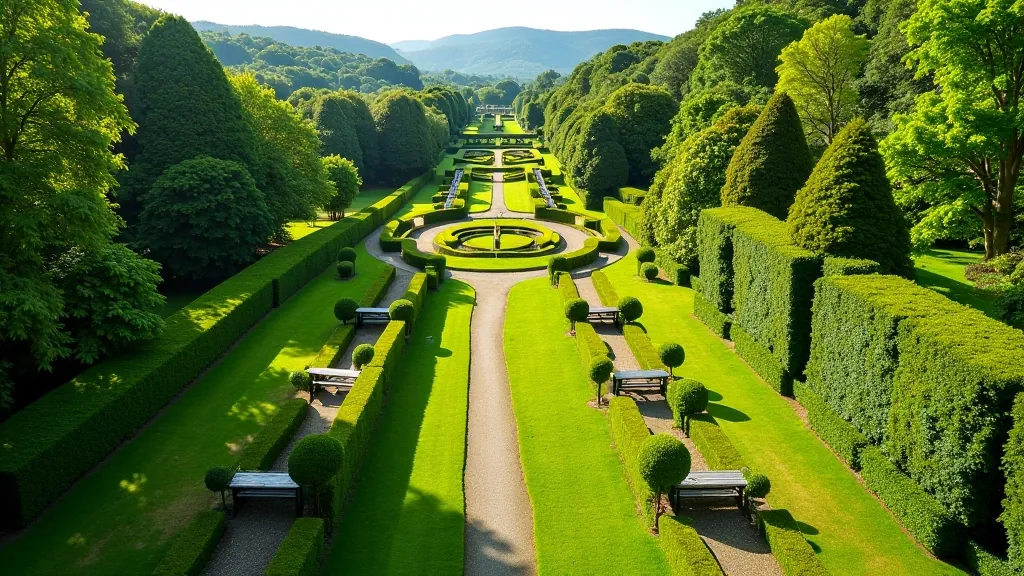
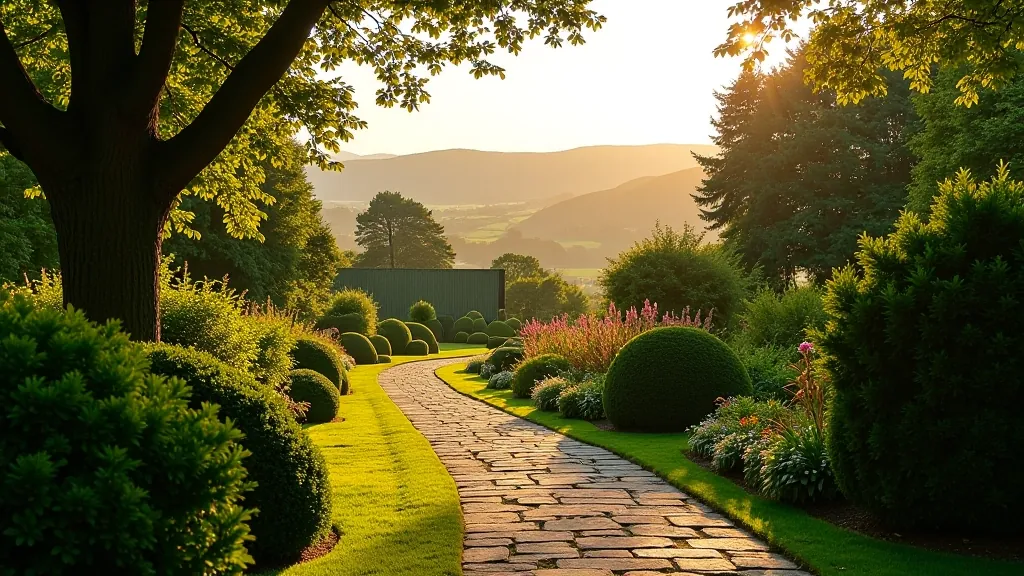
Tucked into County Waterford (just over the Wicklow border), Kilmokea isn't a sprawling estate in the traditional sense. It's intimate. The gardens wrap around a Georgian country house, and what makes it special is the sheer thoughtfulness of the design — everything flows naturally without feeling forced.
You'll find proper walking paths, genuinely gentle slopes, and plenty of benches that look out toward the Suir Valley. The herb garden is organized by scent and touch, which sounds unusual until you realize how much more memorable a place becomes when you're actually engaging with it through your senses. The tea room is excellent too — not fancy, just proper homemade scones and real coffee. Plan 2-3 hours if you're moving slowly.
Tinniswood Estate: Pure Parkland Walking
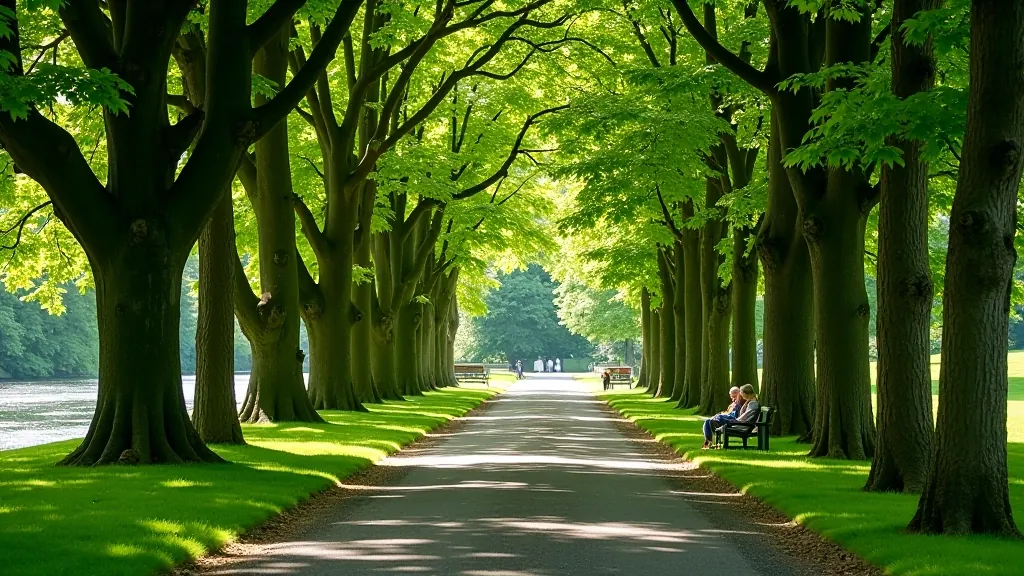
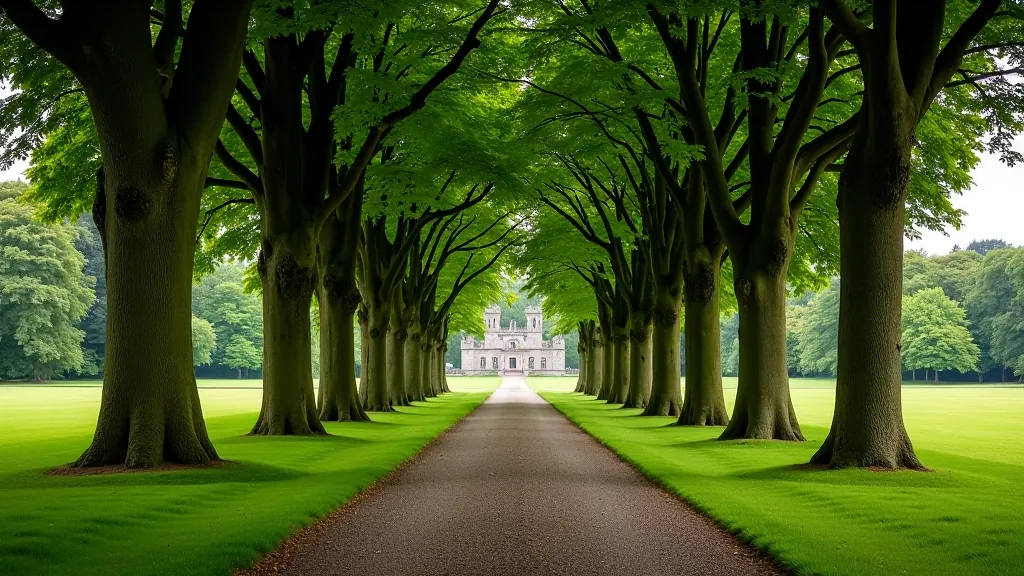
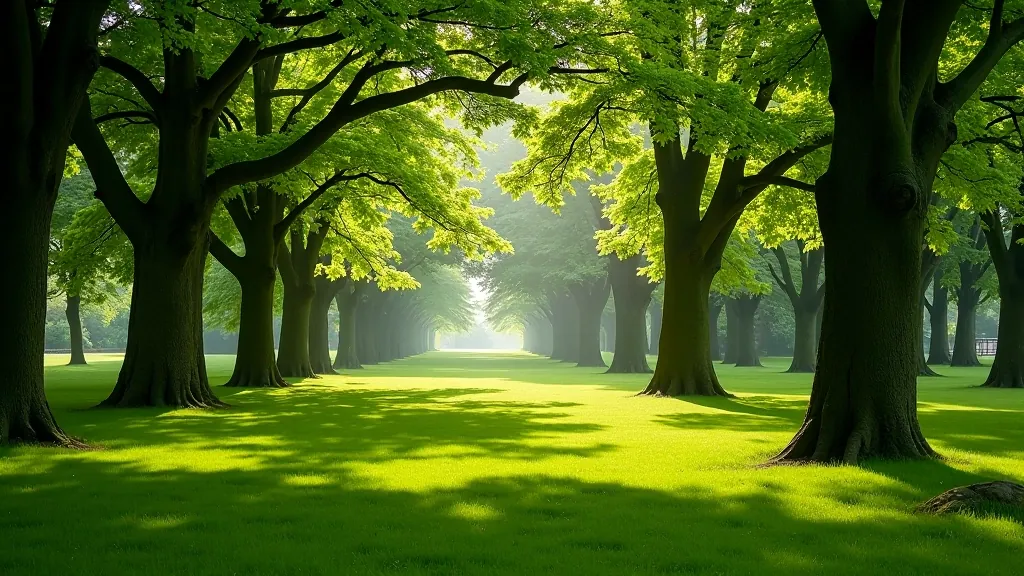
If you want to feel like you're walking through landscape rather than visiting a garden, Tinniswood is exactly that. The estate spans 40 acres of parkland with genuinely accessible grass and gravel paths. No steps. No tight corners. Just proper space to move at your own pace.
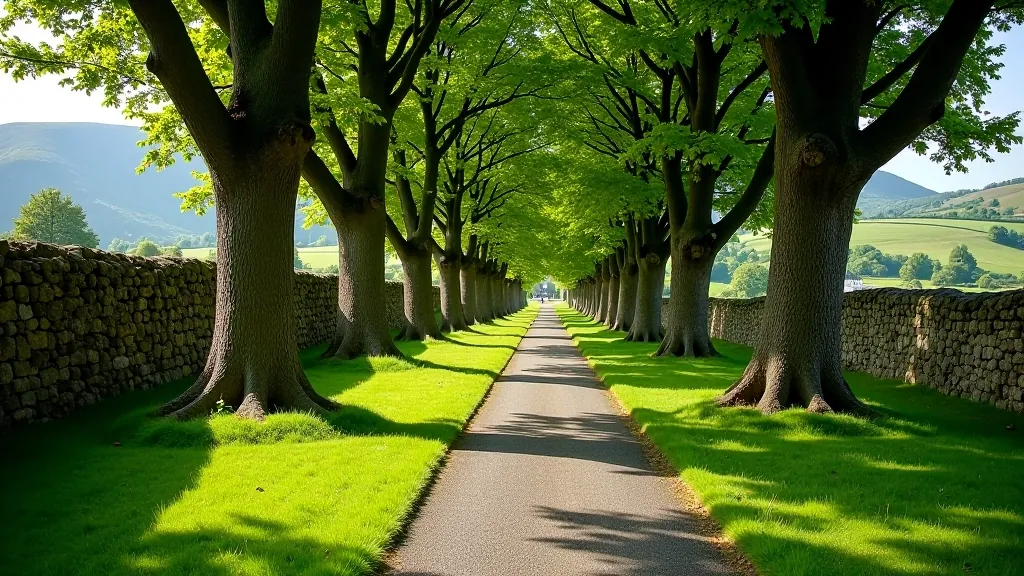
The main loop takes about 45 minutes at a leisurely pace. There's a small Victorian lodge you can visit on certain days, and the views back toward the hills are striking without being dramatic — the kind of landscape that makes you want to stop and actually look. Bring a walking stick or use a mobility aid without hesitation. These paths were designed with real use in mind, not Instagram aesthetics. There's a small car park right by the entrance and disabled parking clearly marked.
What Makes These Estates Different
Gentle Pace
Paths designed for steady walking, not rushing. Benches every few hundred meters. No pressure to keep up with crowds.
Rest Stops
Plenty of seating throughout. Most estates have tea rooms or cafés. You're not expected to finish everything in one go.
Real History
These places aren't packaged for tourism. You're experiencing actual heritage, not a recreation of it.
Planning Your Visit
Best Time to Visit
Late spring (May-June) and early autumn (September-October) are ideal. The weather's stable without summer heat, and the light is beautiful. If you're sensitive to crowds, avoid July and August. Winter's lovely too if you don't mind bare branches — the skeleton of the landscape shows the actual structure of the estate.
What to Bring
A walking stick or cane helps on uneven ground, even if you don't always need it. The gravel paths at Tinniswood can shift slightly. Good footwear matters — not hiking boots, just something with real grip. A light scarf or cardigan; you'll cool down quickly when you stop. And honestly, a notebook. These places deserve more than photos. Sit somewhere quiet and actually write about what you're seeing.
Access Information
Both Kilmokea and Tinniswood have disabled parking right at the entrance. Kilmokea's tea room is fully accessible. Tinniswood has portable seating if you need extra stops. Most importantly — these aren't places designed to look accessible on paper. They're actually used by people of different abilities. Call ahead if you have specific needs. The staff won't be surprised. They've been managing this properly for years.

Insider Tips That Actually Matter
Visit on a Weekday
Even popular estates are quieter Tuesday through Thursday. You'll have the paths mostly to yourself.
Start Early
Morning light is better, and you'll beat whatever afternoon visitors arrive. You're fresher too, and can take your time without feeling rushed.
Don't Plan Every Minute
These places are better experienced without a schedule. Sit somewhere. Watch the light change. Read a bit. This is the actual point.
Explore Seasonal Changes
Return to the same estate in different seasons. You'll see completely different things. Spring bulbs, autumn color, winter structure — it's genuinely new each time.
The Real Value
These estates aren't lesser versions of Powerscourt or Mount Usher. They're genuinely different experiences. You're not ticking boxes on a heritage tourism checklist. You're spending time in actual places where people have lived and worked and found meaning in the landscape around them.
The gardens we've highlighted here have been maintained by families and communities who care about them as homes and workplaces, not as tourist attractions. That makes a real difference. You can feel it in the way the paths are laid out, in the practical placement of benches, in the quality of the tea room coffee. These're places that've been thinking about visitors' actual comfort for decades.
If you're planning estate visits over the next year, mix the famous names with these quieter alternatives. You'll see more of Ireland's actual heritage that way. And honestly, you'll have a better time doing it.
Information Disclaimer: The details provided about estate facilities, access, opening hours, and services are based on information current as of May 2026. Estate policies, accessibility features, and opening schedules may change. We strongly recommend contacting the estates directly before visiting to confirm current access information, confirm any specific accessibility requirements can be accommodated, and verify seasonal opening dates. This guide is educational and informational — not a guarantee of current conditions. Your experience may vary based on weather, time of year, and personal circumstances.